By
Published April 2, 2026
Manny’s Mexican Kitchen launches this spring as a significant addition to Richardson’s restaurant scene, representing how metropolitan dining landscapes increasingly prioritize authentic culinary traditions and elevated preparation approaches. The opening reflects broader patterns where established suburban communities develop restaurant ecosystems that offer specialized cuisines prepared with the technical sophistication and ingredient quality that distinguish restaurants from casual dining chains. For Richardson residents, Manny’s represents dining options that previously required travel to specific neighborhoods or communities known for particular cuisines.
Mexican cuisine occupies a curious position in suburban American dining. Casual Mexican chains and fast-casual establishments proliferate across most communities, making Mexican food ubiquitously available. However, restaurants offering authentic regional Mexican cuisine prepared with technical expertise and premium ingredients remain relatively scarce outside established Mexican neighborhoods. Manny’s positions itself within that gap, offering cuisine that moves beyond popularized Tex-Mex adaptations toward preparations reflecting Mexican culinary traditions.
The distinction between Tex-Mex and authentic Mexican cuisine matters substantively for culinary appreciation. Tex-Mex represents American adaptations of Mexican culinary traditions, often designed to appeal to American palates less accustomed to regional Mexican flavor profiles and ingredient emphases. Authentic Mexican cuisine emphasizes regional specialization—Oaxacan preparations differ substantially from Yucatecan traditions, which differ from coastal seafood preparations and northern ranch cookery. The flavor profiles emphasize complex sauce preparations, indigenous ingredients, and cooking methods developed across centuries of cultural practice.
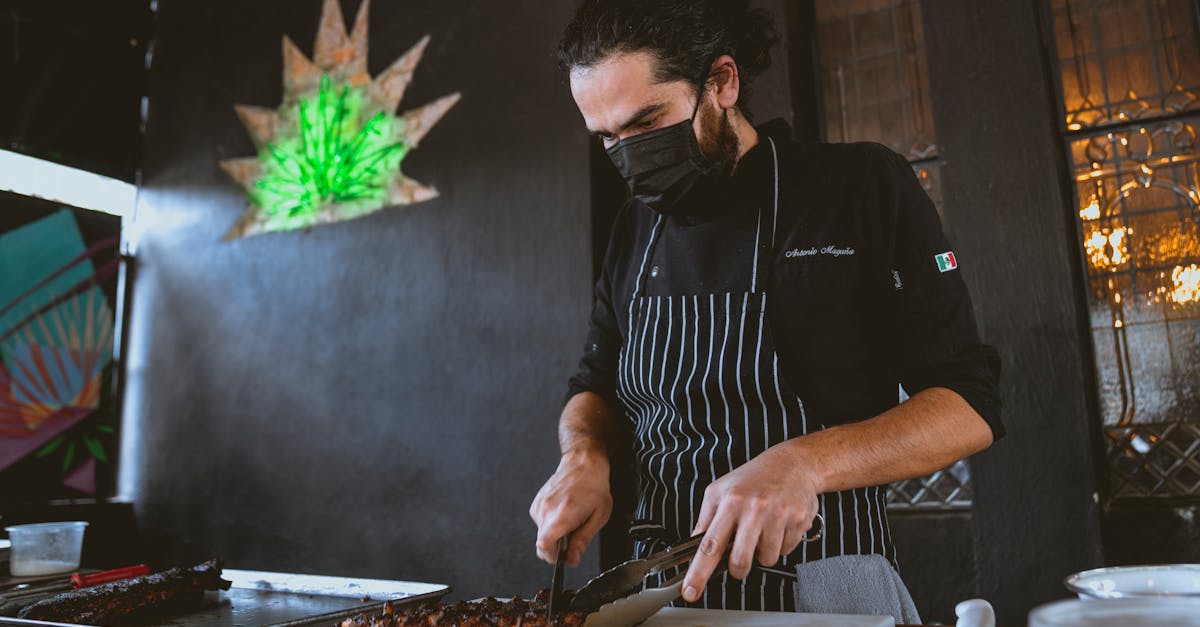
Manny’s menu presumably emphasizes preparations reflecting specific Mexican regions, ingredient sourcing reflecting quality standards, and cooking techniques requiring legitimate culinary expertise. Rather than assembly-line preparation of standardized dishes, authentic Mexican restaurants require skilled kitchen staff capable of managing complex recipes, understanding ingredient substitutions, and maintaining flavor integrity across multiple preparations. The labor intensity and specialized knowledge distinguish restaurants like Manny’s from volume-focused casual dining where consistency comes from standardization rather than skilled preparation.
The restaurant’s arrival in Richardson reflects the city’s demographic evolution toward greater cultural diversity and increasing willingness to support restaurants serving specific culinary traditions. As communities become more diverse—through immigration patterns, business relocations, and demographic shifts—culinary establishments emerge that serve community members seeking foods reflecting heritage and cultural identity. Simultaneously, established residents increasingly value culinary authenticity and willingly seek restaurants offering genuine cultural cuisine rather than domesticated alternatives.
Mexican cuisine also occupies particular significance in Dallas-Fort Worth regional identity. The metroplex’s substantial Mexican and Mexican-American populations have deep historical roots extending across generations. The regional culinary traditions—particularly Northern Mexican and Tex-Mex preparations—developed through cultural interaction and adaptation. Restaurants like Manny’s that emphasize authentic Mexican preparation contribute to regional culinary sophistication while honoring the cultural traditions that have shaped Dallas-Fort Worth identity.
The seasonal timing of Manny’s opening carries practical advantages. Spring restaurant openings benefit from warm weather encouraging outdoor dining and entertaining, while avoiding the holiday season’s restaurant profitability challenges. Spring allows restaurants to establish operations, build word-of-mouth reputation, and refine service standards before peak summer and fall entertaining seasons. The timing positions Manny’s to build initial momentum and develop customer loyalty that extends into busier seasons.
The restaurant’s broader significance relates to how established suburban communities mature culturally and culinarily. Richardson’s evolution from residential suburb toward an increasingly dense mixed-use district with sophisticated employment, retail, and entertainment options now extends into dining sophistication. The city increasingly attracts residents who value cultural experiences and culinary exploration. Restaurants like Manny’s respond to demonstrated demand from populations seeking specialized dining experiences alongside casual alternatives.
Authentic Mexican restaurants also serve important cultural functions beyond dining pleasure. When community members can access authentic cuisine reflecting heritage, it validates cultural identity and provides connection to broader traditions. When residents from other backgrounds encounter authentic Mexican cuisine, it creates opportunities for cultural understanding that extend beyond dining contexts into broader community relationships and appreciation.
The restaurant economics of authentic cuisine also matter significantly. Operating a restaurant offering technically complex preparations requires higher labor costs than volume-focused establishments. Ingredient sourcing for authentic preparations often demands specialty suppliers and higher ingredient costs compared to standardized commodity sourcing. Smaller customer bases compared to chains mean less cost absorption through volume. Restaurants like Manny’s succeed when communities demonstrate sufficient demand and willingness to pay prices reflecting actual operational costs. Richardson’s demonstrated willingness to support specialized dining suggests that Manny’s will find sustainable customer base supporting the restaurant’s economic viability.
The kitchen challenges for authentic Mexican cuisine preparation differ substantially from casual dining approaches. Sauces require extended preparation, ingredient combinations demand understanding of flavor interactions, and techniques like slow-roasting meats require patience and proper timing management. Staffing requires cooks with training in specific preparation methods, not merely general restaurant kitchen experience. The complexity means that restaurant quality depends substantially on chef and kitchen expertise—factors invisible to diners but determinative of dining experience.
For Richardson’s dining landscape, Manny’s Mexican Kitchen represents the continued maturation toward a community supporting diverse culinary traditions prepared with authenticity and expertise. The restaurant opening reflects both demographic changes in the community and shifting consumer preferences favoring culinary authenticity. As Richardson continues evolving toward increased density and cultural sophistication, dining establishments like Manny’s will establish the city’s reputation as a culinary destination supporting experiences beyond casual dining chains.
Topics in this article
Never miss a bite.
Subscribe to the Richardson newsletter for weekly local news and reviews.