By
Published February 3, 2026
Cottonwood Park and Prairie Creek represent two distinct neighborhood experiences within Richardson, separated by geography and character but unified by excellent schools, proximity to parks, and strong community engagement. Understanding both helps prospective residents identify which neighborhood fits their lifestyle priorities.
Cottonwood Park: The Central Community Hub
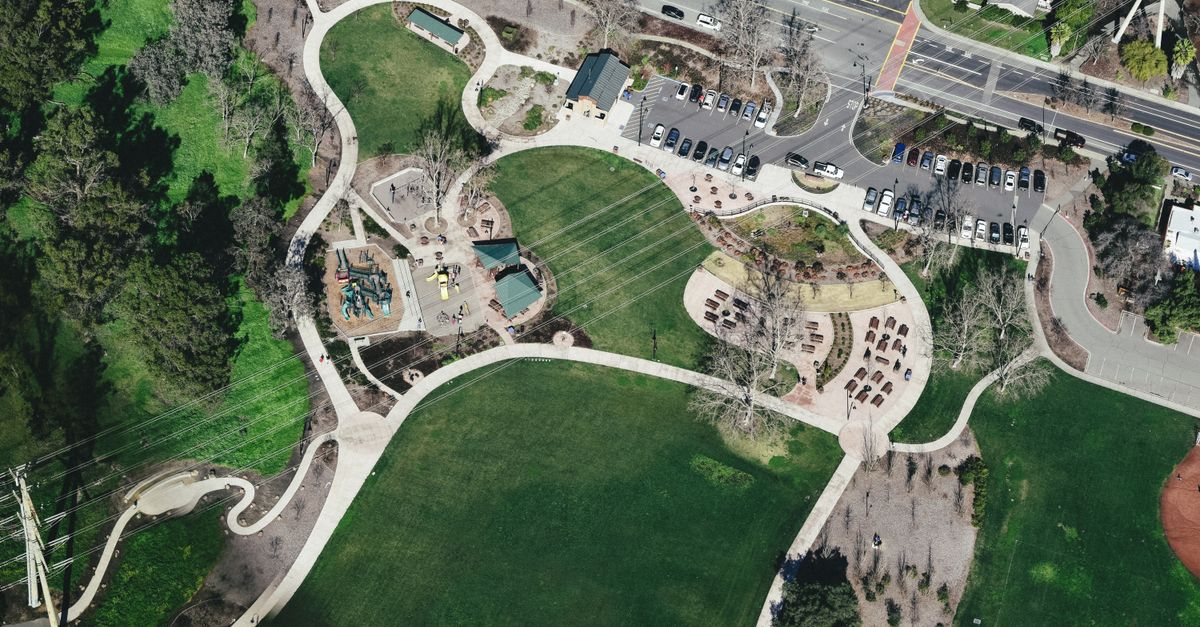
Cottonwood Park neighborhood centers on Cottonwood Park itself, the well-maintained public space hosting the Cottonwood Art Festival and numerous community events throughout the year. With a population around 2,000 residents, Cottonwood Park maintains intimate community feel while remaining part of metropolitan Dallas.
The neighborhood’s walkable character appeals to people prioritizing neighborhood connection over car-dependent sprawl. Local parks, playgrounds, and walking trails create recreational options without requiring extensive driving. The vibrant picnic areas and serene walking trails encourage daily interaction with outdoor spaces and neighbors.
The Cottonwood Art Festival, hosted regularly at the park, reflects the neighborhood’s cultural engagement. Community organizations, local artists, and residents gather for shared artistic appreciation. These events build collective identity and create opportunities for neighboring.
Physical Character and Maintenance
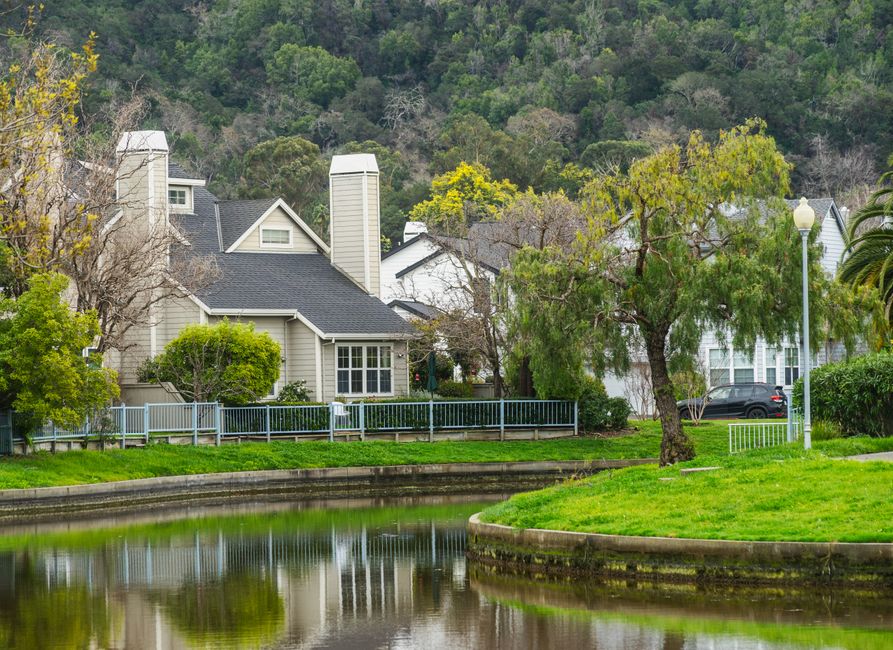
Both neighborhoods feature well-maintained residential properties and established tree canopy. Mature trees create shade, visual interest, and sense of permanence that newer developments lack. The established nature of housing stock means front yards have developed character and landscaping.
Housing stock consists primarily of single-family residences with varied architectural styles reflecting different eras. This diversity creates visual interest compared to neighborhoods where all homes were built simultaneously and designed to similar specifications.
Prairie Creek: Suburban Living Anchored by Parks
Prairie Creek neighborhood, located south and east of Cottonwood Park, comprises approximately 1,903 residents in a peaceful, family-friendly setting. The neighborhood centers around Prairie Creek Park, which features small falls and a graceful bridge connecting neighborhood sections.
The enchanting bridge is more than infrastructure; it becomes a neighborhood landmark and gathering point. Walking trails throughout the park allow residents to access green space without leaving the neighborhood. The falls create a visual and auditory focal point that distinguishes the park from generic playground spaces.
Canyon Creek, adjacent to Prairie Creek, similarly centers on country club living and Prairie Creek Park access. The neighborhood appeals to families prioritizing recreation amenities and outdoor lifestyle.
Schools and Family Orientation
Both neighborhoods send students to Richardson ISD schools, accessing the district’s reputation for academic excellence. The established nature of both neighborhoods means schools are well-integrated into community fabric. Parent volunteer organizations, school traditions, and family events create connections that transient communities lack.
For families prioritizing excellent schools and community engagement, both neighborhoods offer Richardson ISD access without newer subdivision housing premiums.
Proximity to Broader Richardson Amenities
Cottonwood Park’s central location provides convenient access to Richardson’s broader restaurant, retail, and entertainment options. The neighborhood isn’t isolated but rather connected to the city’s commercial centers.
Prairie Creek’s location positions it near quality schools and green space while maintaining reasonable proximity to services and employment centers. The tradeoff is slightly longer drives for retail and entertainment compared to Cottonwood Park’s more central location.
Recreation and Outdoor Living
The parks anchoring both neighborhoods—Cottonwood Park and Prairie Creek Park—represent essential assets. Families can establish routines involving daily park visits, weekend recreation, and seasonal activities. The parks create gathering spaces that build community across residential properties.
Both neighborhoods’ proximity to Richardson’s broader trail system means residents can expand recreation options beyond neighborhood parks. Spring Creek Nature Area, Breckinridge Park, and other regional amenities become accessible without extensive driving.
Community Organizations and Engagement
Richardson neighborhoods with strong neighborhood associations tend to have higher resident satisfaction and stronger community identity. Both Cottonwood Park and Prairie Creek have organized neighborhood structures supporting collective decisions and communication.
These organizations coordinate with city government on infrastructure, organize neighborhood events, and address concerns collectively. For families valuing community over mere real estate transactions, the existence of organized neighborhood associations indicates healthy community culture.
Housing Costs and Market Position
Both neighborhoods, representing established Richardson areas with mature housing stock, typically offer more affordable entry points than newer master-planned communities. This accessibility appeals to families prioritizing schools and community over newest construction.
The trade-off is homes may require updates or renovation, and property sizes might be smaller than newly built homes in outer suburbs. The value proposition favors community and school quality over newest infrastructure.
Diversity and Evolving Demographics
Both neighborhoods reflect Richardson’s increasing diversity. Asian, Hispanic, and African American families have relocated to these areas, reflecting broader Dallas demographic trends. This diversity enriches neighborhood culture while occasionally requiring negotiation between longtime and newer residents.
Richardson’s relative success in managing demographic transition reflects thoughtful community leadership and residents’ commitment to inclusion. Both neighborhoods experience change while maintaining community cohesion.
Long-term Stability
Both neighborhoods have demonstrated multi-decade stability. Residents remain in these communities for years or decades, creating genuine neighborhood continuity. Property values appreciate steadily without dramatic fluctuation.
This stability appeals to families planning long-term residence and treating homes as family anchors rather than investment properties. The established character suggests neighborhoods will remain desirable even as broader Dallas continues developing.
Choosing Between Neighborhoods
For families evaluating between Cottonwood Park and Prairie Creek, the choice often depends on lifestyle priorities. Cottonwood Park’s more central location suits people prioritizing convenient access to dining, retail, and entertainment. Prairie Creek appeals to people prioritizing parks, schools, and quiet residential character.
Both neighborhoods offer excellent schools, established community, and mature residential character. The choice is ultimately personal preference about where daily life feels most aligned with individual priorities.
Community Identity
Over decades, both neighborhoods have developed distinct characters. Cottonwood Park has become known for arts and community engagement. Prairie Creek represents peaceful suburban living centered on parks and family life.
These identities aren’t determinative but reflect community investment and shared values. They help prospective residents understand neighborhood culture and determine where they might feel most comfortable.
Sources:
Never miss a bite.
Subscribe to the Richardson newsletter for weekly local news and reviews.